top of page
Exercises
Our comprehensive guides break down each exercise, so you know which to incorporate into your training.


Deadlift Progressions for Beginners to Advanced Lifters
Introduction The deadlift is a cornerstone exercise in strength training, renowned for its ability to build total body strength and muscle mass . From beginners to advanced lifters, mastering the deadlift and progressing through its various stages is crucial for achieving optimal results while minimizing the risk of injury. This comprehensive guide will take you through the importance of deadlift progressions, starting with the basics and advancing to more complex variations
Toby Williamson
Apr 88 min read


Lean How to Perform Muscle Cleans
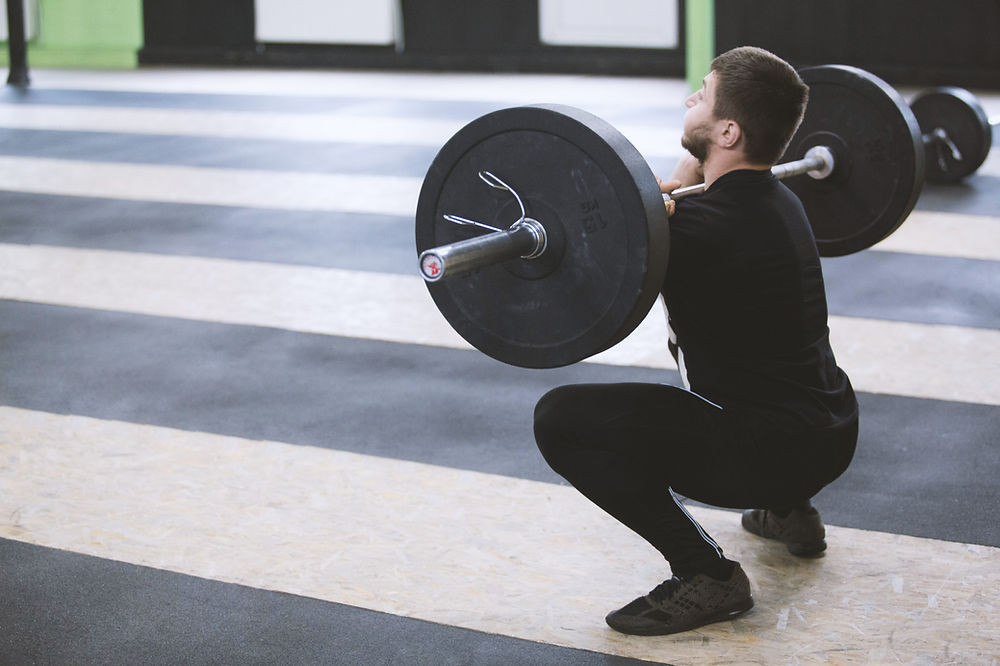
Overview The muscle clean is the stripped‑down cousin of the squat and power clean—no re‑bend of the knees, no dive under the bar. You accelerate the barbell from floor to shoulders using pure leg drive and an aggressive, high‑pull turnover, finishing in a tall stance with elbows locked high. Because you must pull the bar higher and keep the torso upright, the muscle clean engrains a razor‑straight bar path, forces violent elbow turnover, and lights up the upper back without
Toby Williamson
Apr 82 min read


How to Perform a Muscle Snatch
Overview The muscle snatch is the simplest yet most revealing variant of the snatch family. By removing any re‑bend of the knees and drop under the bar, it forces you to rely on pure leg drive, vertical bar path, and a powerful overhead punch to finish each rep. Because you catch the bar standing tall, the muscle snatch is perfect for sharpening turnover speed, strengthening the upper back and traps, and reinforcing an aggressive lockout without the mobility demands of a squa
Toby Williamson
Apr 83 min read


How to Do Overhead Lunges
Overview Overhead lunges pair single‑leg strength with an overhead lockout, forcing your core, shoulders, and hips to work together under load. The demand for stability is far greater than in a standard lunge because the weight must remain stacked over the mid‑foot throughout the step. Whether you hold a barbell, a pair of dumbbells, or a single kettlebell, the exercise improves shoulder endurance, thoracic extension, and anti‑rotation control—qualities that transfer directly
Toby Williamson
Apr 83 min read


How to Overhead Squat
Overview The overhead squat asks you to hold a barbell locked out overhead while descending into, and standing from, a full-depth squat. That single requirement compresses mobility, balance, and strength into one advanced test of athletic control. Mastering the lift strengthens every link in the kinetic chain—from ankle dorsiflexion to thoracic extension—making it an indispensable accessory for Olympic lifters who want bullet‑proof bottom positions, and for functional‑fitness
Toby Williamson
Apr 83 min read


Learn How to perform a Plank
Overview The plank looks simple—support your body in a straight line on forearms and toes—but doing it well unlocks deep core strength, postural endurance, and anti‑extension control that carries over to nearly every athletic movement. Because it teaches the trunk to resist spinal extension and rotation, a strong plank supports heavier squats and presses, reduces lower‑back strain in running, and lays a foundation for advanced gymnastics shapes like the hollow hold. Learn How
Toby Williamson
Feb 12 min read


How to Perform a Power Clean
Overview The power clean propels a barbell from floor to shoulders, catching it above parallel rather than diving into a full squat. This reduction in catch depth means you must accelerate the bar higher, training maximal rate‑of‑force development and crisp turnover speed. Field athletes, CrossFitters, and weightlifters alike lean on power cleans to convert raw strength into usable explosiveness—think faster sprint starts, bigger hits, and more aggressive barbell cycling. How
Toby Williamson
Feb 12 min read


How to Perform a Power Snatch
Overview The power snatch launches a barbell from the floor to locked‑out overhead, but unlike the squat snatch, you receive the bar no deeper than a parallel squat. This forces you to pull the bar higher and move it faster, making the lift a staple for athletes who want explosive hip extension without heavy mobility demands. Because the catch is higher, power snatches emphasize bar speed, shoulder stability, and precise timing. They serve as both a stand‑alone performance li
Toby Williamson
Feb 13 min read


Master the Strict Pull Up
Introduction A staple in many fitness programs, strict pull-ups are an incredibly effective bodyweight (or weighted!) exercise for building upper body strength . Whether you’re a beginner or an experienced lifter, mastering the pull-up can significantly enhance your fitness and functional capabilities. This guide covers everything you need to know about pull-ups, including how to perform them correctly, benefits, variations, common mistakes, and tips for maximizing your gain
Toby Williamson
Feb 12 min read


How to Master Butterfly Pull Ups
Overview Butterfly pull-ups are a high-speed gymnastics skill used primarily in CrossFit. Unlike strict or standard kipping pull-ups, the butterfly pattern creates a continuous circular rhythm that never fully stops, letting you cycle reps rapidly with minimal grip re-sets. When performed well, butterfly pull-ups distribute the work across the lats, upper back, and core while relying on efficient timing rather than raw pulling strength each rep. This makes them ideal for high
Toby Williamson
Jan 313 min read


What Are Kipping Pull Ups?
Overview Kipping pull-ups use a coordinated hollow↔arch swing to convert hip drive into upward momentum, letting you cycle reps faster than strict pull-ups. When built on solid strict strength and shoulder control, they’re an efficient tool for high-rep workouts without excessive arm fatigue. The goal is clean shapes, bar proximity, and timing—hips lead, then the pull—so lats, upper back, and core share the work while elbows avoid flaring. How to Perform Treat the kip as posi
Toby Williamson
Jan 303 min read


What is a Push Jerk
Overview The push jerk—dip, drive, and re‑dip under the bar—sits between the push press and split jerk in the Olympic‑lifting hierarchy. It allows heavier loads than a strict press or push press because you reposition your body under the bar instead of pressing it the whole way. Mastering the push jerk teaches rapid power transfer from legs to bar, sharp timing, and aggressive lockout—skills essential for CrossFit met‑cons and for lifters transitioning to the split jerk. How
Toby Williamson
Jan 303 min read


How to Perform a Push Press
Overview The push press bridges strict pressing and dynamic jerks. By adding a small leg drive, you accelerate the bar off your shoulders before finishing with the arms, allowing heavier loads than a strict press while reinforcing timing for the push jerk. In CrossFit, the push press is a staple for barbell cycling and shoulder stamina; in Olympic weightlifting, it teaches athletes to translate leg power vertically while maintaining a solid front‑rack, a prerequisite for effi
Toby Williamson
Jan 303 min read


Master the Kipping Ring Muscle Up
Overview The kipping ring muscle-up links a powerful kip with a quick transition and a strong ring dip lockout. Unlike bar muscle-ups, the rings move with you—demanding superior shoulder control, timing, and midline tension. Developed on a base of strict pulling and ring dips, the kipping pattern turns hip drive into height so you can turn over efficiently and finish the dip without stalling. How to Perform The Kipping Ring Muscle Up Think: swing for height, pull low to the r
Toby Williamson
Jan 304 min read


How to Perform Strict Ring Muscle Ups
Overview Strict ring muscle-ups demand maximal pulling strength, precise false-grip mechanics, and a smooth transition into a deep ring dip. Without a kip to add momentum, every inch is earned through scapular depression, core tension, and tight ring control. Mastering the strict version builds durable shoulder strength and control that carries over to safer, more efficient kipping ring muscle-ups and stronger pressing overhead. How to Perform Treat the strict muscle-up as on
Toby Williamson
Jan 303 min read


Learn How to Ring Dip
Overview Ring dips elevate the standard dip onto free‑moving rings. The instability forces your chest, triceps, shoulders, lats, and core to coordinate while you press out of the bottom. They’re a staple in CrossFit for gymnastics strength & progressions to advanced movements. Mastery improves lockout strength for muscle‑ups, handstand push‑ups, and barbell presses while sharpening shoulder control. How to Perform Break each rep into three controllable phases. Treat the suppo
Toby Williamson
Jan 283 min read


What is a Renegade Row?
Overview The renegade row combines a plank hold with unilateral dumbbell rows. By forcing you to resist rotation while pulling, it targets lats, rhomboids, and biceps while crushing the obliques and deep core stabilizers. Because each rep demands full‑body tension, the movement bridges strength work and anti‑rotation training, making it a favorite in functional bodybuilding, CrossFit accessory blocks, and athletic programs that value trunk control under load. How to Perform L
Toby Williamson
Jan 282 min read


How to Perform Push Ups
Overview Push‑ups are the gold‑standard bodyweight press. No equipment, minimal space, limitless scaling, hence their use from military tests to PE classes worldwide. Strict push‑ups strengthen the chest, triceps, anterior deltoids, and core in one chain, building a movement pattern that transfers to heavier presses, handstands, and ring work. How to Perform Push Ups Follow this four‑step checklist every rep: Set‑Up : Hands under shoulders, fingers gripping floor. Feet togeth
Toby Williamson
Jan 282 min read


Learn How to Reverse Lunge
Overview Reverse lunges step backward instead of forward, shifting emphasis toward the glutes and reducing shear forces on the front knee. Because the center of mass stays closer to the front foot, many athletes find reverse lunges friendlier on the joints while still building unilateral leg strength. They serve as a gateway to heavier split‑stance work like split squats or Bulgarian lunges and slot easily into strength circuits, Functional Fitness programming, and rehab sett
Toby Williamson
Jan 282 min read


How to Perform Pistol Squats
Overview The pistol squat is a full‑depth single leg squat with the non‑working leg held in front. It blends unilateral strength, hip and ankle mobility, and balance. It exposes asymmetries hidden in bilateral lifts and forces each leg to deliver power through a deep, stable range of motion. For athletes, mastering pistols carries over to stronger sprint strides, safer landings, and smoother Olympic‑lift catches. The control required teaches your nervous system to fire stabi
Toby Williamson
Jan 283 min read
bottom of page